What Lures Pests to Houses in Windsor, ON?
Why Windsor Homes Are Vulnerable to Insects
Homeowners searching for pest control Windsor often notice that pest activity seems to increase at certain periods of year, and there’s a reason for that. Windsor, ON sits in a region influenced by the Great Lakes climate, with seasonal temperature swings that push pests indoors when conditions outside become too hot, too wet, or too cold. In summer, hot conditions and humidity can raise pest pressure, while winter drives pests to find cover, food, and water inside homes.
The local landscape also has an impact. Windsor’s proximity to the Detroit River and the wider Essex County area means there are nearby water sources, green corridors, and sheltered spaces that can support insect and rodent populations. Once those pests are established outdoors, they begin foraging for easier access to residential property, especially when homes offer cover, warmth, and food.
Many Windsor neighbourhoods have urban housing with older infrastructure, basement-heavy layouts, and small structural gaps that create ideal harborage. That combination of climate, building style, and nearby habitat explains why seasonal pest activity is such a frequent concern here.
Edible Sources That Draw Pests Indoors
A single of the main attractants is simple: food. Pests are constantly foraging, and even small amounts of accessible food can support an infestation. In many homes, food crumbs under appliances, around tables, or in pantry corners provide enough residue to draw ants, cockroaches, and rodents inside.
Garbage bins are another important draw. If indoor or outdoor bins aren’t sealed tightly, odours can travel and signal readily available feeding opportunities. Overflowing garbage, dirty recycling containers, or bags left open in the garage can quickly boost pest activity. In Windsor homes, where summer heat can intensify smells, sanitation becomes even more important.
Pet food is also a common attractant. Leaving bowls out overnight, storing kibble in open containers, or allowing spills to sit can encourage mice, ants, and cockroaches to return nightly. Good kitchen sanitation matters because pests do not need much to survive. Cleaning counters, sweeping floors, wiping sticky surfaces, and managing pantry items in sealed containers all reduce the chance that a home becomes a reliable feeding site.
When food is easy to find, pests don’t just visit once. They establish a pattern, come back often, and may create nesting sites nearby.
Moisture, Drips, and Moisture Issues
Water is equally important as food when it comes to luring pests. Many infestations originate in damp areas where pests can remain unseen, breed, and travel unnoticed. In Windsor homes, plumbing leaks are a common issue because even a slow leak under a sink or behind a wall can provide ongoing moisture for insects and rodents.
Basements are especially vulnerable. In many local houses, basements are typically cooler and more humid than upper floors, and they often collect moisture from the foundation, laundry areas, or utility rooms. This makes them perfect harborage for pests looking for dark, sheltered conditions. High condensation on windows, pipes, and cold surfaces can also indicate a moisture problem that pests will exploit.
Standing water in trays, drains, crawlspaces, or poorly ventilated spaces creates more opportunity. Dampness can attract cockroaches, ants, and even rodents that need a reliable water source. In a residential property, controlling moisture is one of the strongest prevention steps because it removes a major attractant before an infestation becomes established.
For Windsor homeowners, moisture control should be part of routine maintenance, especially after heavy rain, snowmelt, or long humid stretches during the summer months.
Common Entry Ways Common in Windsor Homes
Insects and rodents do not need a big gap to enter. They use tiny openings and weak points around the home’s exterior. Foundation cracks are among the key entry points because they can give ants, spiders, mice, and other pests direct access into wall cavities and basements. In older neighbourhoods, these cracks are frequent and may grow larger over time due to settling or freeze-thaw cycles.
Broken window screens can also invite flying insects, including https://caledon-onxj656.wpsuo.com/how-to-keep-pests-from-reappearing-after-treatment-in-windsor wasps and flies, while door gaps beneath exterior doors create easy pathways for mice and crawling insects. Even a narrow gap can be enough for a rodent to squeeze through. Around pipes, wires, vents, and utility lines, utility penetrations often leave small voids that pests use as entry points.
These structural gaps matter because pests are resourceful. If they detect warmth, food, or moisture inside, they will keep probing until they find a way in. This is why exclusion is such a critical part of pest control Windsor homeowners can rely on. Sealing cracks, adding door sweeps, and repairing screens all reduce access and help keep pests outside where they belong.
Outdoor Factors That Draw Pests Closer to home
The space surrounding a home can attract pests just as much as the inside. Overgrown vegetation creates cover for insects and rodents, offering them shelter while they move toward the structure. Dense shrubs, tall grass, and cluttered planting beds can all serve as pathways and harborage points.
Mulch beds can hold moisture and provide warmth, which makes them attractive to ants and other insects. When mulch is piled too high against the foundation, it can also conceal cracks and keep the base of the home damp. Likewise, wood piles stacked against a house create nesting sites and make it easier for pests to move indoors. Woodpiles should be kept off the ground and stored away from the building whenever possible.
Feeders can unintentionally attract pests too. Spilled seed draws rodents, ants, and even wasps. If feeders are placed too close to the house, pests can move from the feeding area to entry points quickly. Good landscaping maintenance helps reduce these outdoor attractants and limits the pressure on the home itself.
In Windsor, where nearby green spaces and river-adjacent habitats can support pest populations, managing the yard is an important part of prevention.
Periodic Pest Patterns in Windsor
Windsor’s climate produces distinct pest trends through the year. In the spring season and summer months, warm weather and humidity can raise activity from ants and wasps. These pests become more visible as they hunt for food, build nests, and grow colonies. Homeowners may notice ants moving along foundations, kitchen counters, or patio doors as they forage for sugary or greasy residues.
As temperatures drop, mice become a major concern. The fall season is a typical period for rodent pressure because cooler nights encourage mice to seek warmth inside homes. They can enter through very small openings and quickly settle into wall voids, basements, and storage areas.
Cluster flies are another seasonal issue in Windsor, often showing up when cold weather arrives and they start looking for protected overwintering spots in attics, wall spaces, and upper floors. Once inside, they may remain hidden until warmer conditions wake them up.
Seasonal pest activity is not random. It reflects changing temperature, available shelter, and shifting food sources. Windsor homeowners who understand these cycles can spot problems earlier and reduce the chance of a larger infestation later.
Neighbourhood and Property Factors in Windsor
Certain property types in Windsor commonly face increased pest pressure than others. Older homes often have more wear in foundations, siding, and utility openings, which can create hidden entry points. Such properties may also have legacy construction features that allow pests to travel inside walls or beneath floors more easily.
Detached houses can be more vulnerable when the yard, garage, shed, and foundation are all exposed to the outside environment. Pests can move freely between these spaces, especially if food, moisture, or clutter is present. In contrast, multi-unit buildings may face shared-wall pest movement, where an infestation in one unit affects several others through common structural gaps.
Homes near nearby green spaces, wooded areas, ravines, or river-adjacent corridors can also experience more pest pressure because those environments provide nesting sites and travel routes. In Essex County and the Windsor area, that connection between habitat and housing is a consistent factor in pest management. Whatever the property type, reducing attractants and sealing structural vulnerabilities are key.
What Are Pest Control Windsor Professionals Look For
As soon as a technician performs an inspection, they are searching for not only active pests and the conditions that attract them. This covers moisture sources, food access, nesting sites, and signs of travel paths. Expert pest management usually focuses on integrated pest management, which means applying a blend of exclusion, sanitation, habitat modification, and targeted treatment rather than relying on one quick fix.
During an inspection, professionals may look for droppings in basements, behind appliances, or in storage rooms; evidence of gnawing around wires or food packaging; and gaps around the foundation or utility lines. They also assess whether monitoring tools are necessary to track pest activity and determine whether the threshold for treatment has been reached.
Effective pest control Windsor services do more than eliminate visible pests. They identify the attractants behind the infestation and recommend practical prevention steps that fit the home, the neighbourhood, and the season. That approach is especially valuable in a city like Windsor, where climate and housing conditions can alter pest pressure quickly.
How to Keep Your Home Harder to Target to Pests
The best prevention strategy is to make your home a poor target. Start with food storage: keep pantry goods in sealed containers, clean up spills quickly, and never leave pet food out longer than needed. Tight food storage reduces foraging opportunities for ants, mice, and cockroaches.
Next, focus on moisture control. Repair leaks promptly, run dehumidifiers in damp basements if needed, and eliminate standing water around sinks, tubs, and laundry areas. Good airflow and regular maintenance can make a big difference in preventing pest-friendly conditions.
Sealing gaps is another priority. Caulk around cracks, add weather stripping, repair damaged screens, and close openings around pipes and vents. These steps reduce entry points and help block pests before they can get inside.
Outside, incorporate landscaping maintenance part of your regular schedule. Trim bushes clear of the house, minimize heavy mulch buildup near foundations, and keep firewood clear of the structure. Keep bird feeders positioned to minimize spills and make sure trash is secured. These changes reduce the overall attractants around the home and decrease the chance of infestation.
When to Call a Local Pest Control Company
If you’re seeing repeated pest activity, it may be time to contact a local expert. Strong infestation signs include ongoing droppings, visible pests during the day, or damage that keeps returning even after cleaning and sealing. If you notice nesting evidence in insulation, storage areas, or wall voids, professional help is a smart next step.
Recurring droppings, food contamination, scratching in walls, or signs of pests in basements and kitchens suggest that the issue is not isolated. A professional can determine whether the source is an exterior entry point, a hidden moisture problem, or a larger colony inside the structure. This is especially important when pests are difficult to find, such as mice, cockroaches, or bed bugs.
Local pest control Windsor providers understand the pressures that Windsor, ON homes face through the seasons. They can inspect the property, identify likely attractants, and recommend a plan that targets the root cause instead of just the symptoms.
Signs the Problem Is Getting Worse
There are several warning signs that a pest issue is escalating. One of the clearest is the presence of gnaw marks on baseboards, food packaging, stored items, or wiring. Mice and other rodents can damage a home quickly, so these marks should never be ignored.
Regular sightings are another red flag. If you are seeing pests during the day, or if you keep noticing the same insects or rodents in the same areas, the population may be growing. A strong odor can also suggest a larger problem, especially if it comes from nesting material, droppings, or a hidden dead pest.
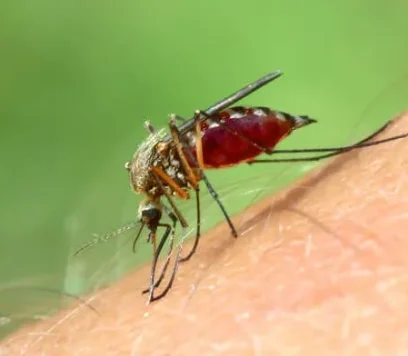
Finally, watch for property damage such as chewed insulation, torn bags, damaged screens, or signs of nesting in insulation and storage spaces. Once pests begin causing physical damage, they are no longer just passing through. They are firmly established, and the situation usually requires professional intervention.
Bed bugs are a good example of why quick response matters. They are not usually drawn to food or moisture the way mice or ants are, but they multiply rapidly once introduced and can become a major infestation inside a home. If you suspect any pest issue is spreading, early inspection and treatment are always better than waiting.
FAQ
What are the most common things that attract pests to homes in Windsor?
The primary attractants are food, water, and shelter. In Windsor homes, that usually means food crumbs, garbage bins, pet food, standing water, plumbing leaks, and damp basements. Overgrown landscaping and structural gaps can also make a home more appealing to pests looking for harborage.
Why do basements in Windsor homes attract pests?
Basements often attract pests because they are lower in temperature, moister, and more sheltered than other parts of the home. In Windsor, many basement-heavy houses have humidity, condensation, and foundation cracks that create ideal conditions for nesting sites and hidden entry points.
How does Windsor's climate affect pest activity?
Windsor’s humid summers and cold winters create strong seasonal pressure. Warm weather promotes ants and wasps, while cold weather drives mice and cluster flies indoors. The Great Lakes climate and nearby water influence moisture levels and can increase pest movement around homes.
What signs mean I have a pest infestation at home?
Common signs include droppings, gnaw marks, nesting evidence, sightings, odor, and property damage. You may also notice activity around food storage areas, basements, or entry points like foundation cracks and door gaps.
When should I call pest control Windsor for help?
You should call pest control Windsor when bug activity keeps returning, when you find nesting traces or feces, or when you notice destruction that suggests the problem is worsening. If pests are active in multiple rooms or you suspect unseen infestations such as mice, cockroaches, or bed bugs, professional help is the safest next step.
Mosquito Man Windsor
2485 Front Rd, LaSalle, ON N9J 2C5, Canada
+1 226-526-4711
https://maps.app.goo.gl/JwhSC65zfbLWNH6v7
https://mosquitoman.ca/pest-control/windsor/
42.2161228, -83.1003005