How to Determine if You Have a Wood-Infesting Ant Problem in Scarborough
What are carpenter ants and why are they a problem?
Carpenter ants are big wood-boring ants that can become a significant concern when they move from outdoor nests into a home. In contrast to termites, they do not eat wood for food, but they tunnel through it to build nesting sites. That means the real issue is not just seeing a few ants; it is the risk of an infestation that may be lurking inside a wall, floor, or ceiling.
For homeowners, the biggest concern is wood damage. Carpenter ants often target moist wood that has already been weakened by moisture problems, such as past leaks, condensation, or poor ventilation. Over time, their tunnelling can lead to structural damage, especially if the colony goes unnoticed.
In Scarborough, this problem is often tied to the way homes are built and used. Older post-war homes, townhomes, and detached houses can all have hidden entry gaps, aging trim, and damp areas that make it easier for ants to get inside. Add in humid weather, spring thaw, and shaded landscaping, and you have conditions that can support both indoor ants and nearby outdoor nests.
The key point is this: carpenter ants are not just a nuisance. When they settle in, they can damage wood, spread deeper into a property, and become harder to remove without proper control methods. Spotting the earliest infestation signs is the best way to protect your home.
What are the usual signs of carpenter ants?
The most obvious carpenter ant signs usually involve quiet clues around the home rather than one big incident. A careful homeowner can often detect the problem by looking for a few warning signals together.
One of the most frequent clues is sawdust piles. These small piles may be found near baseboards, under window sills, beside window frames, or near door frames. The material is often not actual sawdust but frass, which is the mix of wood shavings, dead insects, and debris pushed out of a nest.
You may also see winged ants indoors, especially in the spring or early summer. These reproductive ants are a strong sign that a colony is mature enough to reproduce. If you see winged ants near lights, windows, or vents, it may mean there is an established nest somewhere inside or very close to the house.
Another useful clue is visible movement. Carpenter ants often create ant trails along baseboards, behind appliances, around sinks, or near leaks. These trails can include worker ants traveling between a nesting site and food or moisture sources. While they may also forage for food crumbs, carpenter ants are usually drawn to damp areas than to pantry items.
Other common infestation signs include faint rustling inside walls, piles of debris in hidden corners, and wood that sounds strange when tapped. Because carpenter ant colonies are often hidden, homeowners should think in terms of patterns: sawdust, winged ants, and ant trails appearing together is far more alarming than a single ant seen once or twice.
How can you identify carpenter ants apart from other ants?
It is often simple to mix up carpenter ants with other everyday ants, especially black ants that are also frequent in Ontario homes. This distinction matters, because the response is not the same. A small kitchen ant problem may be annoying, but carpenter ants can point to hidden wood nesting and property damage.
One of the first clues is size. Carpenter ants are usually larger than many other ant species you may see indoors. Their body shape is also more noticeable, with a narrow waist and a smooth, rounded thorax. Their antennae are elbowed, which is a classic ant trait, but the overall body profile can help distinguish them from smaller nuisance ants.
Another practical clue is smell. Some carpenter ants release an distinct odour when crushed. The scent is sometimes described as damp, sour, or slightly citronella-like, depending on the species. You would not want to rely on smell alone, but it can be part of the diagnosis if you are comparing different insects.
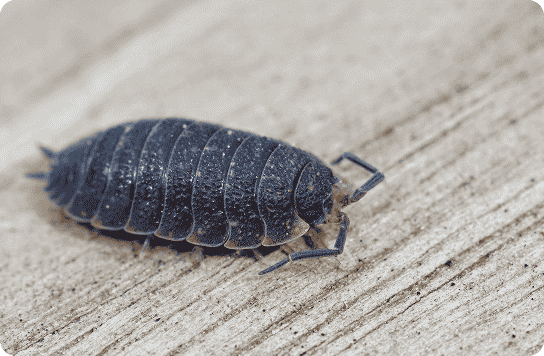
Because several ant species can live near homes, it is best to look at the complete picture: size, movement patterns, nesting clues, and where they are showing up. If you are seeing ants around damp wood, basement windows, or attic beams, carpenter ants become a much more likely possibility than ordinary black ants.
Where can you find carpenter ants nest inside Scarborough homes?
Carpenter ants prefer dark, sheltered places that are close to moisture. In Scarborough homes, that often means areas that homeowners do not inspect every day. The most common hiding spots include basements, attics, wall cavities, and structural wood around openings.
Wall voids are a major problem because they offer privacy, warmth, and protection. Ants can move through these spaces without being seen, which makes an infestation hard to detect until the colony grows. They may travel behind drywall, around plumbing, or near electrical lines, using tiny gaps as travel routes.
Window frames and door frames are also common entry and nesting areas, especially if there is condensation, rotting trim, or old caulking. In many Scarborough properties, aging exterior details create small openings that function as entry points. The ants may also work their way into deck structures, soffits, or roof edges.
Homes with basements and crawlspaces are especially vulnerable if humidity is high or if water has seeped in after the spring thaw. In older neighbourhoods, it is common to find hidden moisture near the foundation, utility penetrations, or around below-grade windows. These conditions create ideal nesting sites for carpenter ants.
It is worth remembering that an indoor sighting does not always mean the main colony is inside the home. Carpenter ants may have outdoor nests in nearby landscaping, tree stumps, or retaining https://brampton-onol177.evergrovio.com/posts/pet-safe-pest-removal-in-scarborough-on walls and then enter the house only to forage. That is why locating the nest location matters so much.
What kind of damage do carpenter ants inflict?
Carpenter ants damage wood by hollowing out wood to build passageways, not by eating the material. With time, this can lead to hollow-sounding wood that feels solid on the outside but is weakened inside. This is one of the most obvious signs that a colony may have been active for some time.
The most serious outcome is structural damage. If the ants are inside framing, sill plates, beams, or trim, they can undermine the strength of the wood and create costly repairs. The risk increases when the infestation is left untreated and the ants continue expanding their nest.
Homeowners often first notice damage in smaller visible areas such as trim, deck boards, porch components, or window casings. These materials can be more accessible to ants if they are already softened by moisture or prior wear. In some cases, the damage shows up as blistering paint, sagging trim, or wood that crumbles when pressed.
Visible damage is important, but it is not the whole story. Carpenter ants can stay active inside hidden voids while the exterior appears mostly normal. That is why a strong inspection checklist should include tapping wood surfaces, checking for frass, and watching for recurring ant activity around damp areas.
If you find hollow wood, debris, and carpenter ant signs in the same area, treat it as a serious property damage concern. The longer the colony remains, the more likely the repairs will spread beyond one small section of the home.
Why are carpenter ants common in Scarborough?
These ants are a ongoing issue in Scarborough because local housing and weather patterns produce the right mix of shelter and moisture. The area has a mix of older homes, townhomes, and detached houses, many of which have hidden wood-entry points from years of settling, renovations, or aging materials.
Scarborough also experiences humid conditions during the summer, and the thaw season can create extra moisture around building bases, basements, and exterior structures. That moisture often works its way into wood near the foundation, basement windows, or exterior trim. Since carpenter ants are often associated to damp conditions, these seasonal shifts are important.
Areas with established trees, heavily treed areas, valleys, and residential landscaping can also support outdoor nests adjacent to homes. Across the GTA, this means carpenter ants may nest in old stumps, mulch patches, fence posts, or decaying wood and then move indoors through gaps or utility openings.
Scarborough properties with attached decks, crawl spaces, and dated additions can be especially attractive. A deck attached to the house, for example, may provide a silent connection from outdoor nesting areas to structural wood. The combination of humidity, landscaping, and older building details forms a persistent chance of seasonal activity and ongoing ant problems.
That local mix is why so many homeowners in the area need useful prevention tips and not just temporary treatments. If the moisture source remains, carpenter ants often reappear.
What should you do if you suspect an infestation?
If you suspect carpenter ants, begin with a careful inspection of the areas where signs are most likely to appear. Use a flashlight and look for frass, sawdust piles, ant trails, damaged wood, and moisture problems around sinks, basements, and windows. A basic inspection checklist can help you stay prepared.
Inspect along baseboards, under windows, behind appliances, and near plumbing. Be alert for faint movement in walls if activity is heavy. Search at places where leaks have occurred, because carpenter ants often use already weakened wood. If you find repeated activity, that suggests a more established ant infestation rather than a stray forager.
At that point, professional pest control Scarborough homeowners trust becomes important. A trained technician can identify the species, trace activity back to the colony, and recommend the right treatment options. The goal is not just to kill visible ants, but to address hidden colonies and the moisture conditions that support them.
Effective treatment usually uses several steps: locating the nest, reducing moisture, targeting the colony, and sealing the conditions that helped the ants get in. If you delay, the problem can become harder to correct and may continue causing property damage.
In other words, once carpenter ant signs appear, do not hesitate to see if the issue disappears on its own. A prompt inspection and the right treatment can prevent a larger repair bill later.
How can you prevent carpenter ants from coming back?
Lasting control depends on removing the conditions that attract carpenter ants in the first place. The best prevention tips focus on moisture, access, and yard management.
Start by making it a habit to seal entry points. Fill gaps around windows, doors, utility lines, and siding transitions. Repair damaged weatherstripping and check where cables or pipes enter the home. Even small gaps can serve as access routes for indoor ants and foraging trails.
Mosquito Man Scarborough1225 Kennedy Rd, Scarborough, ON M1P 4Y1, Canada
+1 647-243-7241
https://maps.app.goo.gl/8SuLx1MkkqVJFc2m9 https://mosquitoman.ca/pest-control/scarborough/
43.7561897, -79.2751574
Next, repair leaks promptly. Repair dripping pipes, roof leaks, clogged gutters, and condensation issues. Since carpenter ants are drawn to moisture and humidity, dry wood is less attractive to them. Vent bathrooms, laundry rooms, and basements properly, especially during damp weather.
Firewood storage also matters. Keep firewood off the ground and away from the house. If possible, store it well away from exterior walls so you do not create a bridge for ants. The same idea applies to mulch, compost, and rotting wood products; keep them from piling up right against the foundation.
Landscaping can either help or hurt your efforts. Trim branches touching the house, remove dead stumps, and clear decaying wood near decks and fences. Make sure soil does not slope toward the foundation, and inspect deck posts, deck boards, and trim for signs of rot.
Good home protection is a mix of repairs and routine checks. If you keep conditions dry and block access routes, carpenter ants are less likely to return.
At what point do you contact a professional in Scarborough?
You should call an exterminator when you see repeated carpenter ant signs, especially if the problem keeps returning after basic cleanup or DIY sprays. A recurring infestation usually means the colony is hidden in a wall, attic, or exterior nesting site that has not been fully addressed.
Expert assistance is equally essential when you fail to determine the nest location. Finding the colony is often the most difficult step of managing carpenter ants, because the visible ants may only be workers. Without locating the nest, treatment can miss the main nest and the activity can continue.
Call for urgent service if you spot winged ants indoors, large amounts of frass, or visible structural concerns such as hollow wood, sagging trim, or damaged deck boards. These are signs that the problem may be severe and that repairs and pest treatment should happen promptly.
A local technician familiar with pest control Scarborough conditions can also take into account the area’s older housing stock, humidity patterns, and the way nearby landscaping supports outdoor nests. That local knowledge can make diagnosis more accurate and improve the odds of successful control.
If you are unsure whether the ants are carpenter ants or another species, it is usually better to schedule an inspection than to guess. Early action can save time, money, and frustration, and it is often the best way to protect your home.
FAQ
How do I know if the ants in my house are carpenter ants?
Look for a combination of carpenter ant signs: sizeable black ants, ant trails, winged ants, and sawdust piles or frass near wood. If the ants are showing up around basements, window frames, door frames, or damp wood, carpenter ants are more likely. A professional inspection can confirm the species.
What does carpenter ant damage look like?
Carpenter ant damage often appears as hollow-sounding wood, frass, and subtle visible damage to trim, deck boards, or framing. The wood may look normal on the outside but feel weak or crumble when probed. Severe cases can lead to structural damage.
Are carpenter ants dangerous to the structure of my home?
Yes. Carpenter ants can weaken wood over time by tunnelling through it, especially in moist wood or areas already affected by leaks and humidity. While they do not eat wood, their nesting activity can create serious property damage if left unchecked.
Why do carpenter ants keep showing up again in Scarborough homes?
They often come back because the circumstances that draw them remain in place. In Scarborough, older homes, humid conditions, spring thaw moisture, and hidden entry points around foundations, basements, and decks can all encourage recurring ant activity. Outdoor nests in nearby landscaping can also keep sustaining the problem.
When should I call pest control Scarborough for carpenter ants?
Call pest control Scarborough as soon as you spot repeated infestation signs, especially winged ants, sawdust piles, frass, or signs of hollow wood. If you cannot find the nest location or the ants keep returning, a professional exterminator should inspect the home and recommend treatment options and prevention steps.