Carpenter Ant Treatment in North York: What Homeowners Need to Know
These ants in North York: Indicators and Dangers
Carpenter ants are among the most common household pests homeowners notice in North York, ON, especially in neighbourhoods with older single-family homes, low-rise buildings, and newer townhomes. If you live in Willowdale, Downsview, or York Mills, you may already know how quickly an ant infestation can move from a nuisance to a concern for your property.
The biggest warning signs often start with foraging ants inside the home, especially near kitchens, bathrooms, utility rooms, and window frames. You may also find frass, which looks like granular sawdust or powdery wood debris pushed out from nesting sites. This material is often a clue that carpenter ants are tunnelling through wood and creating protected hiding places.
The real risk is not that these ants eat wood like termites, but that they excavate it to build colonies. Over time, that activity can lead to wood damage, wood rot, and broader structural damage, especially where there is already moisture damage. In many North York homes, a hidden problem in the foundation, around a leaky sill plate, or in damp wall framing can provide the ideal conditions for nesting.
Homeowners often notice trails first, but the ants you see are usually only a small part of the issue. Visible trail activity may indicate a nearby nest location, or it may mean the ants are travelling from an outdoor satellite nest. Either way, the presence of carpenter ants indoors should be treated as a warning that the home may need a more complete property inspection and targeted treatment.
Why Wood Ant Infestations Develop in North York
Carpenter ant infestations in North York often begin with moisture issues. After snowmelt in spring or during warm and humid summer weather across the Greater Toronto https://oakville-onve417.scriblorax.com/posts/pest-management-for-north-york-transit-neighbourhoods-and-local-essentials Area, moist areas around the home become more appealing to ants. Dripping gutters, poor grading, basement seepage, and condensation can all cause excess dampness that damages wood and creates nesting conditions.
Another major factor is structural cracks. Even small cracks can become openings that allow ants to move from the outside into wall cavities, basement joists, or other protected spaces. In North York, where many homes have aging masonry, additions, or mixed construction materials, these access points can be easy to overlook.
Outdoor conditions also matter. Old stumps, old roots, and decaying logs are common harborage areas for carpenter ants. Mature trees and landscaped yards are attractive features in many North York neighbourhoods, but they can also support nearby colonies that eventually forage into the structure. When ants nest outdoors and find food or moisture indoors, the result is often a seasonal infestation that returns year after year.
The combination of outdoor planting, shade, and damp soil around older homes can make the issue more persistent. In homes near mature tree cover, the ants may establish multiple nests with one main nest and several satellite nests. That is why a simple spray is rarely enough; the problem usually starts in an outdoor or concealed indoor nesting site and requires a full understanding of the home’s risk factors.
How Pest Control North York Manages Carpenter Ants
Experienced pest control North York services approach carpenter ants with a process built around inspection, recognition, and colony elimination. First, the process is determining whether the ants are nesting inside the home, in the yard, or in another area of the property. If the technician cannot find the nest location, treatment may only reduce visible activity for a limited time.
A technician may set up bait stations to carry treatment back to the colony. This method can be useful when ants are actively feeding and moving between indoor and outdoor nesting sites. In some cases, a non-repellent treatment is placed to cracks, voids, and other areas where ants travel. Because the product is not detected by the ants, it can move through the colony more effectively than a visible spray.
For many homes, the best results come from targeted treatment paired with exclusion and prevention. A licensed exterminator will often recommend a strategy that includes treating active trails, addressing moisture sources, and sealing access points. This is a more complete form of residential pest control because it targets the long-term causes of the infestation, not just the visible ants.
In practical terms, the goal is nest elimination rather than temporary relief. That may involve treating both indoor and outdoor nesting areas, adjusting the treatment plan based on the property layout, and scheduling follow-up service to confirm activity has dropped. A good provider will use an integrated pest management approach that combines safe application methods, sanitation, and long-term prevention.
What a Professional Carpenter Ant Inspection Includes
A thorough inspection is the basis of effective carpenter ant control. During a careful property inspection, the technician will identify signs of trail activity, moisture intrusion, and concealed nesting sites. In North York homes, the primary areas are often the attic, basement, and wall voids, because these are typical harbourage areas with limited visibility.
In the attic, inspectors look for damp insulation, roof leaks, and wood debris near rafters or vents. In the basement, they inspect around sill plates, rim joists, plumbing penetrations, and cracks in the foundation. Wall voids are especially important because carpenter ants can move through hidden spaces without being seen for extended periods. If an infestation is active, the technician may also find frass, faint sawdust piles, or moisture-stained wood near entry points.
A moisture meter is often used to measure elevated moisture levels in framing members, trim, or subfloors. This helps reveal moisture damage that could be supporting the infestation and revealing where repairs are needed. In older homes near York Mills or in townhouse clusters around Willowdale, this can reveal issues that are not obvious during a quick visual check.
The inspection may extend outdoors as well. The technician may check the roofline, exterior trim, siding gaps, deck posts, utility penetrations, and the perimeter of the property for entry points. They may also inspect nearby tree stumps, mulch beds, and landscaping features to see whether the ants are nesting close to the home. This broader view is essential for accurate diagnosis and durable control.
Do-It-Yourself vs Expert Carpenter Ant Treatment
Many residents begin with do-it-yourself sprays because they appear quick and affordable. While these products can kill a few visible ants, they usually do not address the root issue. If you spray along a trail without finding the colony, you may interrupt the ants temporarily while the infestation continues in the wall or outside in the yard.
This is a key reason carpenter ant control often calls for professional help. The ants you see are usually worker ants, not the main colony. Killing those workers does not remove the nest, and it can even make trail activity harder to track if the ants shift directions. A professional will focus on nest control, not just surface activity.
A certified pest professional has the tools and experience to identify nesting patterns, select the right baiting systems, and apply a non-repelling treatment safely where needed. That matters in homes with children, pets, or multiple living spaces, where safe application and careful product selection are important. Professional service is also better suited to complex structures such as semi-detached homes, finished basements, and older properties with hidden voids.
DIY measures still have a place in preventive care. Cleaning up food sources, reducing indoor moisture, and sealing obvious gaps can help. But if you already see repeated trail activity, frass, or recurring ants in the same area, it is usually time to move beyond DIY and bring in professional residential pest control for a full treatment plan.
Prevention Tips for North York Property Owners
Sustained protection starts with managing moisture and limiting access. Sealing around windows, doors, pipes, and utility lines helps reduce entry points, especially in older North York houses where small gaps have opened over time. Exterior sealing should be paired with repairs to flashing, trim, and siding where water may be getting in.
Proper air circulation is also important. Attics, crawlspaces, and basements need airflow to help minimize condensation and slow down moisture intrusion. If a basement feels damp after rain or during humid summer weather, that can be a sign that the home needs better drainage, dehumidification, or repair work. Carpenter ants are strongly attracted to damp, softened wood and the conditions that create it.
Outdoor upkeep should be managed with pest prevention in mind. Keep shrubs trimmed back from the house, avoid piling mulch too high against the foundation, and remove decaying wood or old stumps near the structure. Mature trees are common throughout North York, but tree limbs touching the roof or siding can create pathways that make it easier for ants to access the home.
Keeping wood stored properly matters too. Firewood should be kept off the ground and away from the house, and stored lumber should not rest against exterior walls. Inside the home, repair leaks quickly, clean up sawdust or wood debris from renovations, and monitor areas where plumbing or appliances may create hidden dampness. These steps support sanitation and exclusion, both of which are central to long-term prevention.
When to Call a North York Pest Control Company
You should contact a North York pest control company when ant activity keeps returning, especially if you have recurring infestations in the same room or wall section. If you continue to see ants after using baits or sprays, that usually means the source is still active and may be hidden in the structure or nearby outdoors.
Another clear sign is structural damage. If you notice weakened wood, trim that sounds hollow, new frass, or signs of wood rot, do not wait. Carpenter ants often take advantage of weakened wood, and the longer the moisture issue remains unresolved, the more damage they can cause. In homes across North York, this can be especially important after spring thaw, heavy rain, or a humid summer stretch.
It is also wise to call if you notice seasonal activity. Carpenter ants often become more visible in spring and early summer in Ontario and the Greater Toronto Area, when weather conditions encourage movement and foraging. Swarms or sudden indoor sightings can indicate that a nest is mature and ready to expand.
Homeowners should also ask about same-day service if the activity is heavy, the infestation is spreading quickly, or the home has vulnerable areas such as a finished basement, attic storage, or recent water damage. Fast action can reduce stress and help prevent a small issue from becoming a larger repair project.
Carpenter Insect Control Fees and Service Considerations
Carpenter ant service pricing in North York depend on various service considerations, starting with the inspection fee. Some companies bundle the inspection in the overall job, while others may charge separately depending on the complexity of the property or the need for a detailed diagnostic visit. A thorough inspection is often money well spent because accurate identification can prevent unnecessary treatments.
The size and layout of the home matter as well. A more expansive property with multiple entry points, finished lower levels, attached garages, or detached outbuildings may require a wider treatment plan. The same is true for older homes with hidden voids, additions, or water-related repairs that make access more complicated. In many cases, the more difficult the nest location is to reach, the more involved the service will be.
Another factor is whether the job includes baiting systems, non-repellent applications, and exclusion work. If the provider needs to return for a follow-up visit, that can also affect pricing. Follow-up service is often important because it confirms whether the colony has been eliminated and whether any new trail activity has appeared.
For homeowners in North York, the best value usually comes from a plan that combines treatment with prevention and repair recommendations. A strong service program will address active ants, moisture concerns, and entry points together. That approach supports colony elimination, reduces the chance of a seasonal infestation, and helps protect the property over the long term.
FAQ

How do I know if I have carpenter ants in my North York home?
Common signs include large black or red-black ants indoors, especially at night, along with frass that looks like sawdust, trail activity near windows or baseboards, and possible wood damage. If you see ants in the attic, basement, or around moisture-prone areas, it is worth booking an inspection with a pest control North York provider.
What is the most effective solution for carpenter ants in North York?
The ideal plan usually combines careful inspection, bait stations, and non-repellent treatment when appropriate, along with colony elimination and preventive steps. Because carpenter ants may nest inside wall voids or outside near the foundation, a focused treatment plan from a licensed exterminator is usually more effective than DIY sprays alone.
Are carpenter ants a risk to my house?
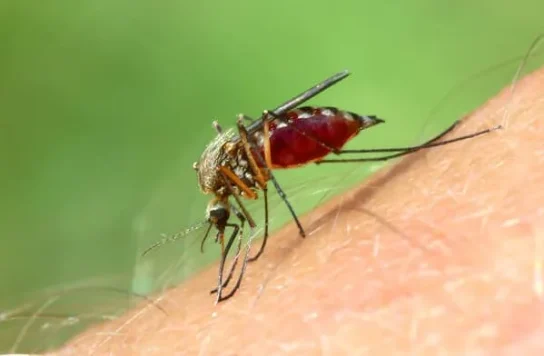
Yes, they can be. Carpenter ants do not eat wood, but they hollow it out to build colonies, which can lead to damage to the structure over time. If there is moisture damage or wood rot already present, the risk increases because weakened wood is easier for them to excavate.
How long does carpenter ant treatment take?
The inspection itself may take under a day, but the full process depends on the nest site, property size, and the level of the infestation. Some homes in North York need a second visit to confirm activity has stopped. If the infestation is active in several areas, treatment and monitoring may take longer.
How can I prevent carpenter ants from coming back?
Focus on prevention by sealing entry points, improving ventilation, reducing moisture intrusion, and fixing leaks quickly. Use caulking and exterior sealing, manage landscaping, keep wood storage away from the house, and remove wood debris near the foundation. These steps support ongoing prevention and make your home less attractive to carpenter ants.